
Muir Station Smiles • Pediatric Dental Care
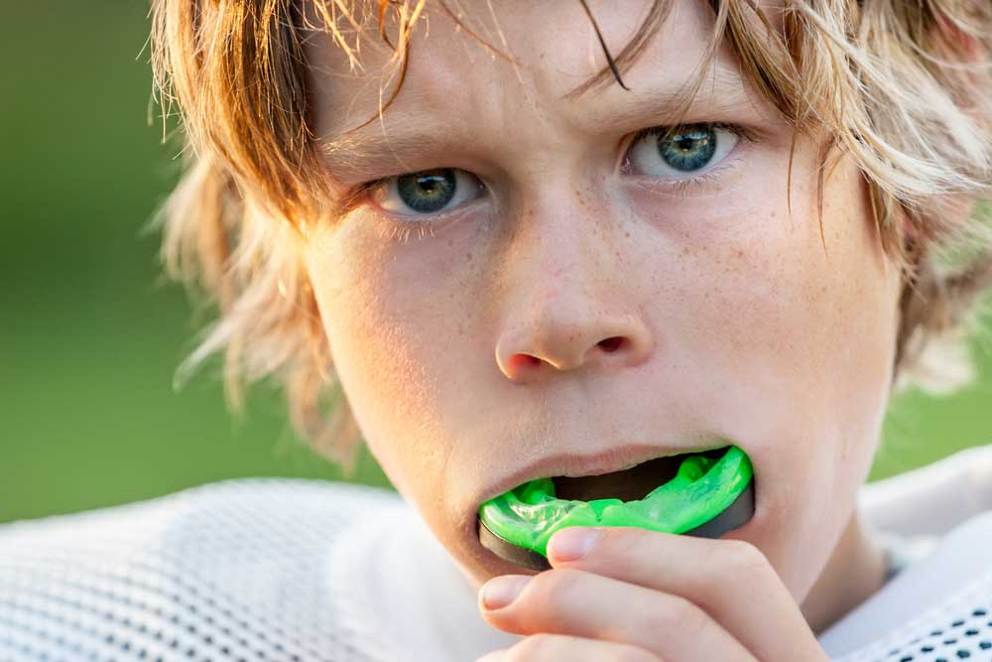
Does My Child Need a Sports Mouthguard?
Football and hockey make mouthguards an easy choice, but dental injuries can happen in many other activities involving contact, falls, or fast-moving equipment.
Quick answer
A properly fitted mouthguard may help lower the chance or severity of injuries to the teeth and mouth during activities with a meaningful risk of impact. It cannot prevent every injury, so fit and consistent use matter.
Which Activities May Call for a Mouthguard?
Consider what can happen during the activity rather than relying only on whether a league requires protection. A mouthguard may be useful when a child could collide with another player, be hit by a ball or piece of equipment, or fall onto a hard surface.
The American Dental Association discusses mouthguards for contact and collision sports as well as limited-contact and high-velocity activities. If you are unsure, ask the coach about common injuries and check the sport’s current equipment rules. A dental professional can help you think through your child’s teeth, growth, and injury risk.
Families can also ask about pediatric dental care when they want guidance based on a child’s individual needs.
What Are the Main Types of Mouthguards?
Stock mouthguards
Come ready to wear. They may be inexpensive, but size and fit choices are limited.
Boil-and-bite mouthguards
Are softened and shaped around the teeth. Careful fitting is important.
Custom-made mouthguards
Are made from an impression or digital model by a dental professional.
No mouthguard protects a child if it stays in the equipment bag. A practical option is one that fits securely, feels comfortable enough to wear, and is appropriate for the child’s mouth and activity.
Does My Child Need a Sports Mouthguard?
A mouthguard should stay in place without constant clenching. It should not have rough or sharp edges, and the child should be able to breathe and communicate while wearing it.
Have your child try the mouthguard before the first practice or game. If it slips, causes gagging, rubs the gums, or makes normal breathing difficult, do not force continued use. Recheck the instructions or ask a dental professional whether a different size or type is needed.
What If My Child Has Braces or Changing Teeth?
Brackets, wires, loose baby teeth, new adult teeth, and active tooth movement can change the fit. A mouthguard that fit at the start of a season may become too tight or unstable later.
Ask the dental or orthodontic team before choosing a mouthguard for a child with braces. The child may need a design that leaves room for tooth movement and protects the lips and cheeks from brackets. Never trim around braces or alter an appliance unless a qualified professional has advised you to do so.
How Do We Care for a Sports Mouthguard?
Rinse the mouthguard after use and allow it to dry before closing the case. Keep it away from high heat, which may change its shape. Check it often for tears, thin spots, rough edges, or a loose fit.
Bring the mouthguard to a dental visit if you want help checking the fit. Replacement timing varies. Growing children, children losing teeth, and children in orthodontic treatment may need changes sooner than others.
What Can a Mouthguard Prevent?
Research and professional guidance support mouthguards as a way to reduce sports-related injuries to the teeth and mouth. That is different from promising complete protection.
Mouthguards are not proven to prevent concussions. Evidence for reducing oral injuries is stronger. Helmets, face protection, safe coaching, and sport rules remain important when they apply.
What If a Dental Injury Happens Anyway?
Stop play and check the child. Heavy bleeding, trouble breathing, loss of consciousness, suspected jaw injury, or another serious medical concern may require emergency medical help. For a broken, loose, or knocked-out tooth, contact a dental professional promptly for instructions based on the injury.
Learn more about what to do after a dental injury.
Ask About Fit Before the Season Starts
Choose a mouthguard based on the activity, your child’s mouth, and whether they will wear it consistently. Check the fit as teeth change and replace a guard that is damaged or no longer secure.
Frequently Asked Questions
Does my child need a mouthguard if the league does not require one?
Possibly. Consider the risk of contact, falls, and fast-moving equipment. A dental professional can help you weigh the activity and your child’s individual needs.
Can my child wear a mouthguard with braces?
Yes, but the fit requires extra care because brackets and tooth movement change the space needed. Ask the dental or orthodontic team before buying or fitting one.
How often should a child's mouthguard be replaced?
There is no single schedule for every child. Replace it if it is damaged, no longer stays in place, or becomes uncomfortable. Check it more often while teeth are changing or moving.


